
Rat and mouse control around Motueka
Scratching in the ceiling at night, droppings in the pantry, chewed bags in the shed. Richard finds where they’re running and nesting, baits them there in closed stations, and checks in after the job.
If Richard’s on a job when you ring, your call is still answered and he calls you back.
“I have a fear of rodents … They sorted the issue really quickly.”
- Treats
- Rats and mice, wasps, borer, ants, spiders, flies, cockroaches and fleas
- Where
- Motueka, Riwaka, the Moutere, Māpua and Ruby Bay
- Experience
- More than 15 years in the trade
- Quotes
- Free inspection and quote
- You call or send the formA photo of what you’re seeing helps
- Richard rings youTo go over it and book a time
- Free inspection and quoteAt your place, before any work starts
- Treatment, then a check-inHe makes sure it’s worked
Before you ring
What sets the price?
How far they’ve spread through the roof, walls and subfloor, the size of the house and sheds, and how many bait stations their runs need. The inspection and quote cost nothing.
Is it safe to wait?
Rats and mice breed while they’re in the roof and chew insulation and cables as they go. The sooner their runs are found, the smaller the job.
What does the visit involve?
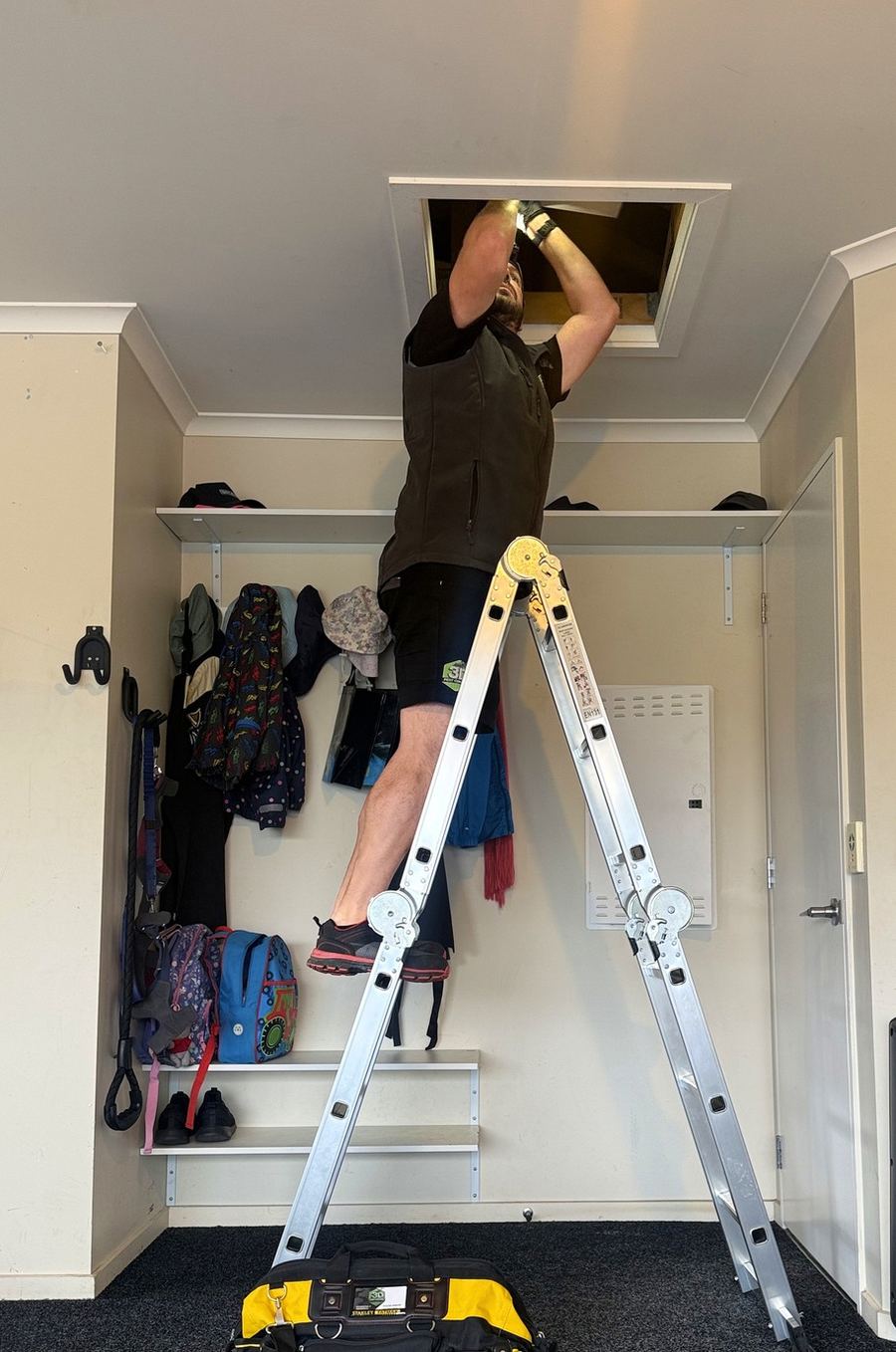
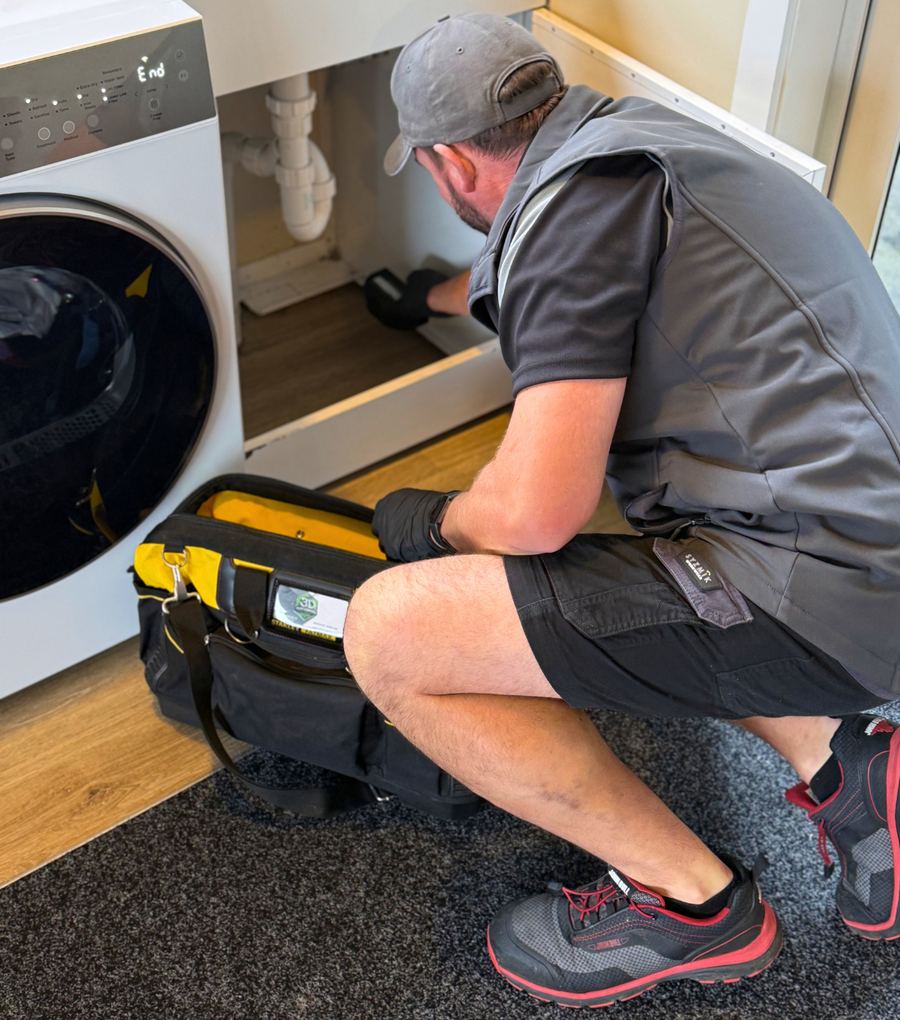
Richard checks the roof space and under the floor for droppings and runs, sets closed bait stations where they travel, and checks in after the job.
What’s about this month?
This month is lit on the strip. Where a pest keeps a season, its band shows the months it’s most about.
This monthBusiestIn season
Tell Richard what you’re seeingRats or mice
Busiest June to August.
Winter is the commonest time for rats and mice to get into the house.
Signs they’ve moved in
- Scratching or scurrying in the ceiling or walls, mostly at night
- Droppings in the pantry, along the skirting boards or in the roof space
- Chewed food packets, insulation, wiring or stored feed
- Dark, greasy rub marks along beams and where pipes come through
- A musty smell in the roof space or under the floor
Ship rats, the commonest rats in New Zealand, are good climbers, which is how they end up in roof spaces. Norway rats are bigger and live closer to people and buildings.
Mice leave smaller droppings and turn up in kitchen drawers and pantries as often as in the roof. Heavy thumping across the ceiling at night is a rat.
How Richard clears them
Find the runs
Up into the roof space and under the floor, looking for droppings, rub marks, nests and the gaps they’re using to get in.
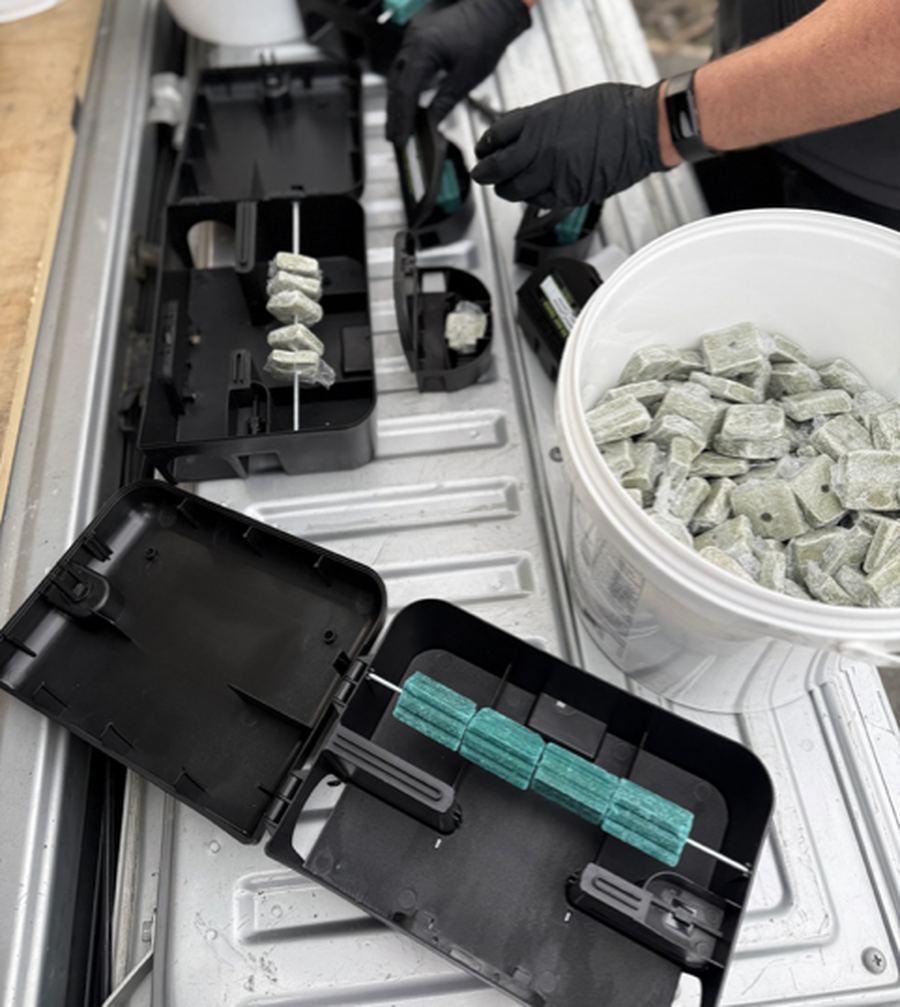
Bait where they travel
Baits go into closed bait stations set along their runs: in the roof, the subfloor, the garage and the shed.
Check it’s worked
Richard checks in after the job to make sure the treatment has worked.
Along the way he shows you the gaps they’re using, under the eaves, around pipes and vents and under the garage door, so the ways in can be closed up.
Orchards, sheds and the woodpile
On an orchard or a lifestyle block, rats and mice have plenty of places to live: feed and hay in the shed, the woodpile, the compost and windfall fruit. Winter is the commonest time for them to get into the house.
Richard treats the house and the outbuildings in one go, so they don’t just move from the shed to the roof and back. Tell us about the sheds, the garage and the sleepout when you book, and they go into the same inspection and quote.
Plenty of Motueka gardens already have a trap out, thanks to the town’s own trapping project. A trap catches the odd rat; a family nesting in the ceiling needs the nest and the way in found.
… Most of all he solved the rodent issue we had! …
What they get into
In the roof space, rats and mice nest in the insulation, chew cables and leave droppings across the ceiling. Under the floor they travel along the bearers and come up where pipes and cables pass through. In the shed they go for feed, seed, and anything stored in cardboard or sacks. In the garage they nest in boxes and old furniture.
For landlords and property managers: a rental has to be free of pests when a tenancy starts, and winter is when rats and mice most often get in. A check between tenants, or before the cold sets in, saves a call from the tenant later.
Before Richard comes out
- Clear a way to the ceiling hatch and the way under the house
- Leave the droppings where they are: they show Richard where the runs are
- Note where and when you hear them, and in which room
- Move pet food, feed and seed into sealed bins
- Tell Richard about any dogs or cats when you book
What sets the price
- How far they’ve spread: one corner of the roof, or the roof, walls and subfloor
- The size of the house, and how many sheds and outbuildings there are
- How many bait stations their runs need
- Access: a low subfloor or a tight roof space
Great service from Richard. Quick to reply to my messages, and he listened to my concerns. Booking was made, no long wait. No rush visit as he was very thorough. Would I recommend, yes definitely.
Questions
Another question? Call 0800 166 027 or send it with your quote.
Rats or mice: does it matter which?
Not for booking. Richard can tell from the droppings and the damage, and sets the treatment for whichever it is.
Can you do the shed and the house in one visit?
Yes. Tell us about the sheds and outbuildings when you book, and Richard covers them in the same inspection and quote.
Is winter the worst time for rats?
Winter is the commonest time for rats and mice to get into the house. Richard treats them any month, wherever they turn up.
Do you work in rentals?
Yes. Richard works with tenants, landlords and property managers, and inspects and quotes a rental the same way.
Get a free quote for your rats and mice
Tell Richard what you’re seeing and where. Photos help.
What to send Richard
- A photo, if you can get one: droppings, a nest, holes in timber or an ant trail
- Where they are: inside, up in the ceiling, under the floorboards, in the shed or out in the orchard
- When you first noticed them
- Who’s home, or when the bach is empty
- For borer, the year the house went up, if you know it
Richard gets back to you to go over it, then visits to inspect and quote, free of charge.
Thanks, we’ve got your details.
Richard will get back to you to go over it and book a visit.