
Borer treatment for older homes around Motueka
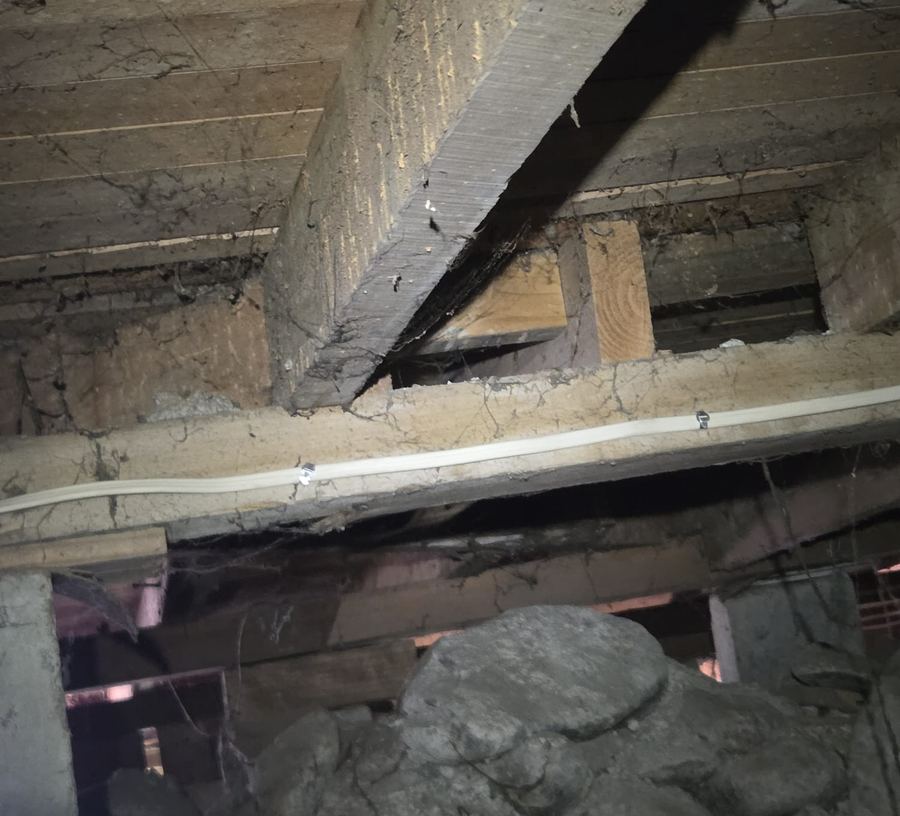
Small round holes and little piles of fine dust in the floorboards, the subfloor or an old piece of furniture. Richard gets under the house with a torch, finds how far the borer has gone, and treats the timber.
If Richard’s on a job when you ring, your call is still answered and he calls you back.
“… he listened to my concerns … he was very thorough. Would I recommend, yes definitely.”
- Treats
- Rats and mice, wasps, borer, ants, spiders, flies, cockroaches and fleas
- Where
- Motueka, Riwaka, the Moutere, Māpua and Ruby Bay
- Experience
- More than 15 years in the trade
- Quotes
- Free inspection and quote
- You call or send the formA photo of what you’re seeing helps
- Richard rings youTo go over it and book a time
- Free inspection and quoteAt your place, before any work starts
- Treatment, then a check-inHe makes sure it’s worked
Before you ring
What sets the price?
How much timber is affected, the way in under the house, whether the roof framing or furniture needs it too, and the size of the house. The inspection and quote are free.
Is it safe to wait?
The larvae keep tunnelling for two to four years before the beetles chew out, and new eggs go into old borer holes, so the damage carries on until the timber is treated.
What does the visit involve?
Richard goes under the house with a torch, sorts fresh holes from old damage, treats the affected timber, and points out anything keeping the subfloor damp.
What’s about this month?
This month is lit on the strip. Where a pest keeps a season, its band shows the months it’s most about.
This monthBusiestIn season
Tell Richard what you’re seeingBorer
Busiest October to February.
Borer beetles chew their way out of the timber from October to February, leaving fresh holes and fine dust.
Why older homes get borer
Boron treatment of house framing began in 1952. Before that, homes went up with untreated native timber and some of the first radiata pine framing, and that’s the sapwood borer feeds on.
It isn’t only the old villas. From 1995 untreated kiln-dried framing was allowed again, and treated timber wasn’t required for consents until 2004, so a house framed in the late 1990s can have untreated timber too.
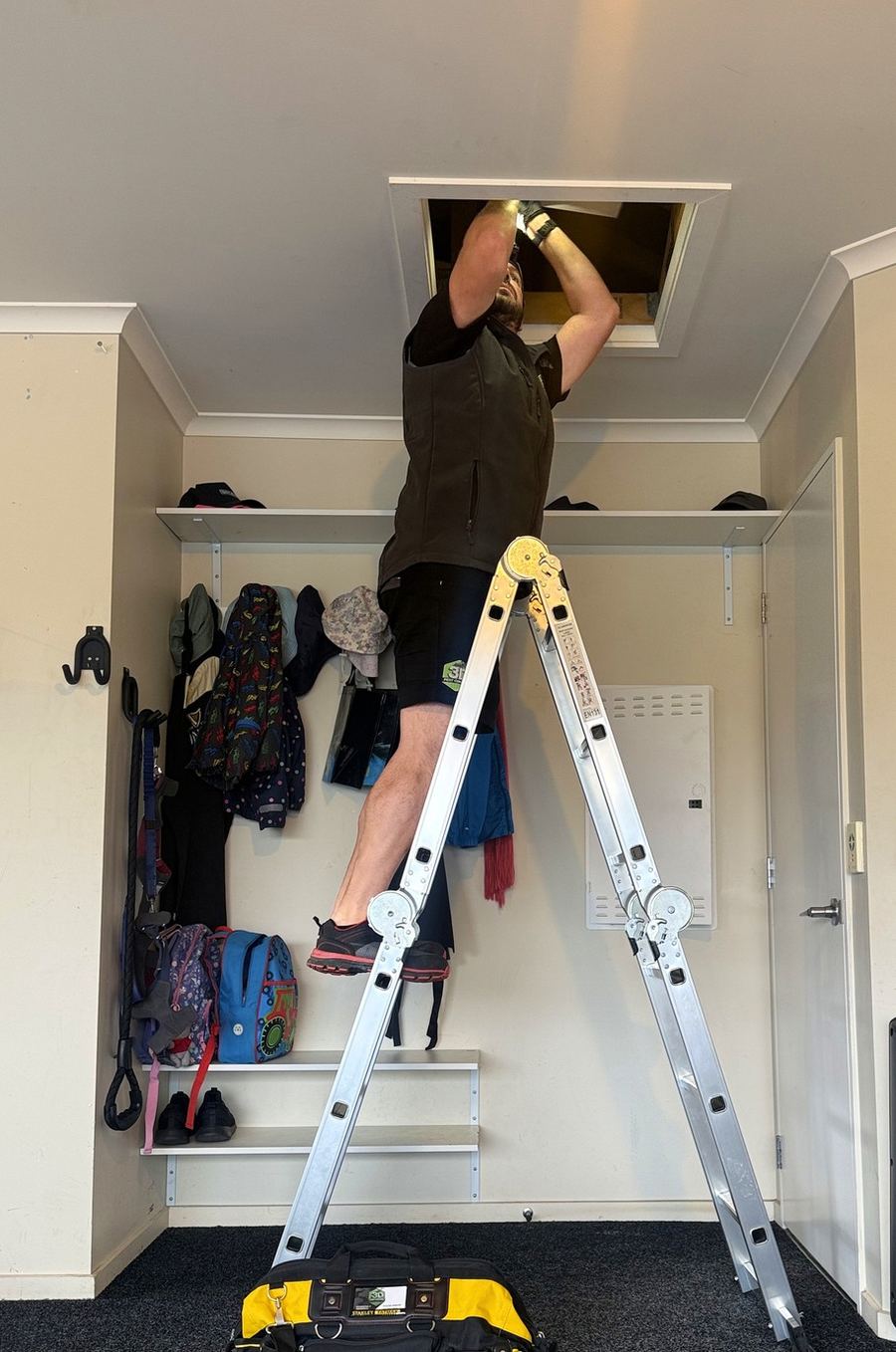
Borer come out more in dark spaces than on lit surfaces, so Richard checks the roof space as well as the subfloor.
Signs of borer
- Round holes 1 to 2 mm across in floorboards, joists, framing or furniture
- Little piles of fine dust under or beside the holes
- New holes appearing between October and February, when the beetles come out
- Timber that crumbles at the edges when you press it
The beetles are only the last stage. The larvae tunnel through the timber for two to four years before they chew their way out, so by the time you see holes, they’ve been at it a while.
Borer at a glance
- The beetle
- 3 to 4 mm long
- Exit holes
- 1 to 2 mm across, round
- Out of the timber
- October to February
- Inside the timber
- two to four years
Which borer is it?
Most house borer is one of two small beetles: the common house borer, which came from Europe, and the native house borer, which is hard to tell apart and may be the more common of the two. Both go for the softer sapwood.
The two-toothed longhorn is bigger, attacks the heartwood and leaves oval holes rather than round ones. Richard works out which one you have from the holes and the timber, and treats for it.
Borer lay their eggs in cracks, end grain and old borer holes, so the same timber keeps getting hit, year after year, until it’s treated. Sheds, sleepouts and old furniture built before 1952 are as exposed as the house.
The common house borer is the same beetle as the furniture beetle, so an old chest or dresser can carry it into the house, and Richard looks at the old furniture as well as the floor.
Borer around Motueka and the Moutere
Motueka has houses from every era, and the Moutere valleys hold some of the district’s oldest. Upper Moutere was settled by German families in 1843, and Lower Moutere’s commonest build decade is the 1950s, right on the boron line.
If your house dates from before 1952, or was framed between 1995 and 2004, it’s worth a look underneath before you see holes. Richard checks the subfloor of an older home before he quotes.
Old hop kilns, orchard sheds and farm buildings are timber too, from Riwaka to Lower Moutere, and Richard checks them while he’s there.
Before Richard comes out
- Clear a way to the subfloor access, whether it’s a hatch or a gap in the base boards
- Note where you’ve seen holes or dust, and roughly when they appeared
- Find out when the house was built, and when any additions went on
- Leave the dust in place: fresh dust shows Richard where the borer is active
How Richard treats borer
Under the house
Richard gets into the subfloor with a torch and checks the bearers, joists and the underside of the floorboards.
How far it’s gone
He sorts fresh holes and dust from old damage, and works out which timbers are still active.
Treat the timber
Then he treats the affected timber, and the roof framing if it needs it.
Keep it dry
Borer prefer timber with some moisture, so a dry, well-ventilated subfloor helps keep them out. Richard points out anything keeping yours damp.
What sets the price
- How much timber is affected, and where: a few boards or the whole subfloor
- Access under the house: crawl height, piles and the way in
- Whether the roof framing or furniture needs treating too
- The size of the house
Great service … happy to answer any question …
Questions
Another question? Call 0800 166 027 or send it with your quote.
How can I tell if the borer is still active?
Little piles of fine dust near the holes are the sign of an active infestation. Richard checks underneath and tells you whether it’s live or old damage.
When do borer beetles come out?
From October to February. The larvae tunnel inside the timber for two to four years first, so the holes are the last stage.
My house was built in the late 1990s. Can it have borer?
It can. Untreated kiln-dried framing was allowed from 1995, and treated timber was only required again for consents from 2004.
Get a free quote for your borer
Tell Richard what you’re seeing and where. Photos help.
What to send Richard
- A photo, if you can get one: droppings, a nest, holes in timber or an ant trail
- Where they are: inside, up in the ceiling, under the floorboards, in the shed or out in the orchard
- When you first noticed them
- Who’s home, or when the bach is empty
- For borer, the year the house went up, if you know it
Richard gets back to you to go over it, then visits to inspect and quote, free of charge.
Thanks, we’ve got your details.
Richard will get back to you to go over it and book a visit.